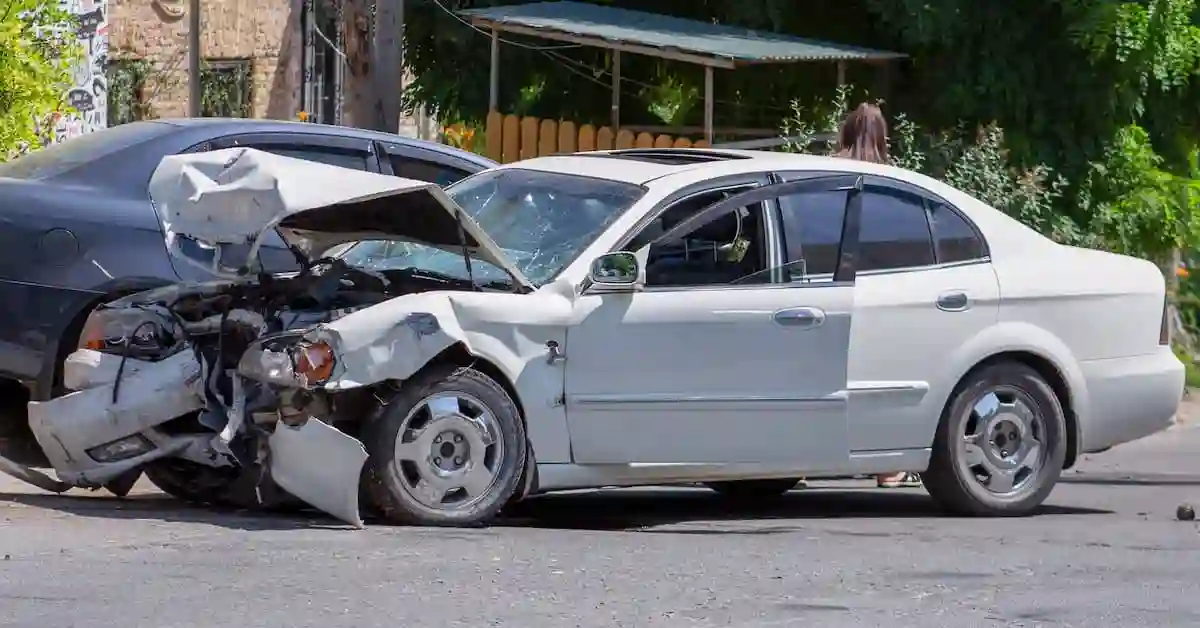
When Should I Approve A Settlement After A Texas Vehicle Crash?
What Happens When You Reject An Insurance Policy Negotiation Offer? Gomez Test Attorneys Under this plan, the insurance firm will certainly spend for any kind of Great site liability sustained by the guaranteed within the range of the agreement. For example, expect that you experience trauma (PTSD) after a crash. Economic problems compensate you for the expense of treatment and drug and the earnings you shed on the days that anxiety attack prevented you from functioning. When you are badly or catastrophically injured, consult an expert that takes care of similar insurance claims every day. When discussing a claim, insurance companies do not always clarify what they are supplying or why.
You May Not Understand The Complete Degree Of Your Injuries
Turning down the insurance company's very first deal seldom causes a revoked deal. Most of the times, saying no to the initial deal is the very first step to guarantee you obtain a fair settlement. Unless they see your claim as without quality, the insurer most likely thinks you'll decline the preliminary offer. So, an insurance policy negotiation can benefit both the plaintiff and offender. Knispel is an accident law firm defending mishap targets throughout the state of New York.
Exactly how to respond to an insurance coverage settlement offer?
Action 1: Testimonial the Settlement Offer Thoroughly.Step 2: Understand the Worth of Your Claim.Step 3: Compose a Demand Letter.Step 4: Engage in Negotiation Negotiations.Step 5: Look For Assistance from an Experienced Lawyer.Step 6: Know When To File a Claim. Youought to always take a negotiation offer if theygive one. There's no reason to pay more money than
When a law firm handles your case, they assess the liability problems and evaluate your injuries. They eliminate the insurance provider's pressure to resolve by interfering with liable celebrations, insurance companies, and their attorneys. An accident attorney will determine all of your losses and ensure that the insurance provider doesn't pay you less than you are entitled to. Following a crash, get in touch with a local lawyer for assistance and guidance. Call Reiner & Frankel today to discuss the 4 points victims need to recognize before approving an insurance coverage negotiation offer. Experienced personal injury lawyers recognize that a negotiation deal is the start of a settlement process with the insurance company. Insurance companies wish to spend as little money and time as possible on each accident claim.
The business might believe if it drags out the settlement procedure, you might give up and approve a reduced negotiation deal.They will anticipate damages you have ruled out and recognize just how to verify them.Choosing whether to accept an initial deal needs mindful consideration of your legal rights, problems, and future needs.Another typical blunder is ignoring long-term demands and future expenditures when evaluating a settlement offer.
Primary Office
If you have actually already kept a car mishap lawyer, send them the offer. They can assess it and compare what the insurer has actually supplied to the monetary worth of your case. Putting in the time to completely assess your offer can positively influence your insurance claim. Reflecting on your potential negotiation and your monetary needs provides you a far better understanding of what you're qualified to receive. It is crucial for claimants to thoroughly examine these offers and take into consideration whether they appropriately resolve their needs before approving them. One more vital variable affecting negotiation deals is the evaluation of problems. Insurance provider review the extent of damages, consisting of property damages and injury, to figure out the worth of a case. No matter what the insurance provider does, all of it boils down to you and what you desire and require. The lack of total details is among the main risks of a quick settlement. Once you authorize https://jsbin.com/fikipimegu a release, it does not matter if you encounter an unforeseen clinical complication. It does not matter if you did not recognize the amount of your claim.